Skip to content
EnergyFirst Blog

EnergyFirst Blog

Practical nutrition science from EnergyFirst

Connect with Us

  • Facebook

Categories

  • Digestive Health
  • Green Superfood
  • Nutrition
  • Omega-3 & Fish Oil
  • Pre-Workout
  • Vitamins & Minerals
  • Weight Management
  • Wellness
  • Whey Protein
Primary Menu
  • Home
  • Blog
  • Shop EnergyFirst
Light/Dark Button
  • Home
  • Vitamins & Minerals
  • Calcium: How Much You Need, and Why Food Beats a Supplement Here
  • Vitamins & Minerals

Calcium: How Much You Need, and Why Food Beats a Supplement Here

Calcium is one of the few nutrients where the supplement version has a genuine question mark over it that the food version does not.
Gerry Morton September 2, 2026 4 minutes read

Calcium is one of the few nutrients where the supplement carries a question mark that the food does not. That distinction is worth understanding before buying anything.

How much you need

Adults generally need 1,000 mg per day, rising to 1,200 mg for women over 50 and men over 70. That is total intake from food and supplements together, which is the figure people usually forget to add up.

Reaching it from food is not difficult if you eat dairy: a cup of milk is roughly 300 mg, a pot of yoghurt similar, 30 g of hard cheese around 200 mg. Without dairy it takes more attention — fortified plant milks, tinned sardines with the bones, tofu set with calcium sulphate, kale, bok choy and almonds all contribute.

Worth knowing: spinach is high in calcium and a poor source of it, because its oxalate content binds the calcium and blocks absorption. Kale and bok choy are low in oxalate and much better absorbed.

The absorption ceiling

Your gut absorbs calcium efficiently only up to roughly 500 mg at a time. Beyond that, the fractional absorption drops sharply.

A single 1,000 mg tablet is therefore a poorly designed product. If you need supplemental calcium, split it into two doses at different times of day. This one detail makes more difference than the brand.

Carbonate versus citrate

Calcium carbonate is cheap and contains the most elemental calcium by weight (40%), but it requires stomach acid to dissolve, so it must be taken with food.

Calcium citrate contains less calcium by weight (21%), so you need larger tablets, but it does not require stomach acid and can be taken any time. This matters for older adults, whose stomach acid production declines, and for anyone on a proton pump inhibitor or other acid-suppressing medication — for whom carbonate is a poor choice.

The question mark

Several analyses have suggested an association between supplemental calcium and increased cardiovascular risk. Other analyses have not found it. The evidence is genuinely conflicting, and it remains an open question rather than a settled one.

What is notable is that this signal appears with supplements and not with dietary calcium. The plausible explanation is the shape of the exposure: food delivers calcium gradually alongside other nutrients, while a large tablet produces a sharp rise in blood calcium.

The reasonable conclusion is not panic. It is that calcium is a nutrient where food is clearly preferable, and where supplementing beyond what closes an actual dietary gap has an unfavourable risk-benefit balance. Do not take 1,000 mg on top of an already adequate diet.

Calcium is not the whole bone story

Bone density gets discussed as if it were a calcium problem. It is not.

  • Vitamin D is required to absorb calcium at all. Supplementing calcium while deficient in D accomplishes very little.
  • Vitamin K2 is involved in directing calcium into bone rather than soft tissue. The evidence is developing but plausible.
  • Protein makes up the collagen matrix that mineral is deposited onto. The old idea that protein leaches calcium from bone has not held up; adequate protein is associated with better bone density, not worse.
  • Weight-bearing and resistance exercise is the signal that tells bone to maintain itself. Bone responds to load. No nutrient substitutes for that stimulus.

An older adult worried about bone health gets more from resistance training, adequate protein and correcting vitamin D than from adding calcium to a diet that already contains enough.

The short version

Add up what you get from food first. Supplement only the gap, in doses of 500 mg or less, with vitamin D, and preferably as citrate if you are older or on acid-suppressing medication. Then go and lift something.

Related reading

  • Magnesium: Which Form, How Much, and Why the Blood Test Misleads
  • Supplements for Women: What Changes by Life Stage
  • Protein and Ageing: Why Your Requirements Go Up, Not Down

EnergyONE provides calcium alongside vitamin D. ProEnergy covers the protein side of the bone equation, which gets far less attention than it deserves.

About the Author

Gerry Morton

Administrator

Gerry Morton is CEO of EnergyFirst, which he acquired in 2004. He holds a master's degree in nutrition and an executive MBA from UCLA Anderson, and is the author of The Energy Guidebook. He has finished four Ironman triathlons and more than fifty marathons — which is where most of what he writes about here has been tested. He lives in Manhattan Beach, California.

Visit Website View All Posts

Post navigation

Previous: Supplements for Women: What Changes by Life Stage
Next: Magnesium: Which Form, How Much, and Why the Blood Test Misleads

Related Stories

Vitamin D: What the Big Trials Actually Found - EnergyFirst blog article card
  • Vitamins & Minerals

Vitamin D: What the Big Trials Actually Found

Gerry Morton September 5, 2026
Assorted dried wholegrain and cereal pieces
  • Vitamins & Minerals

Do You Actually Need a Multivitamin?

Gerry Morton September 2, 2026
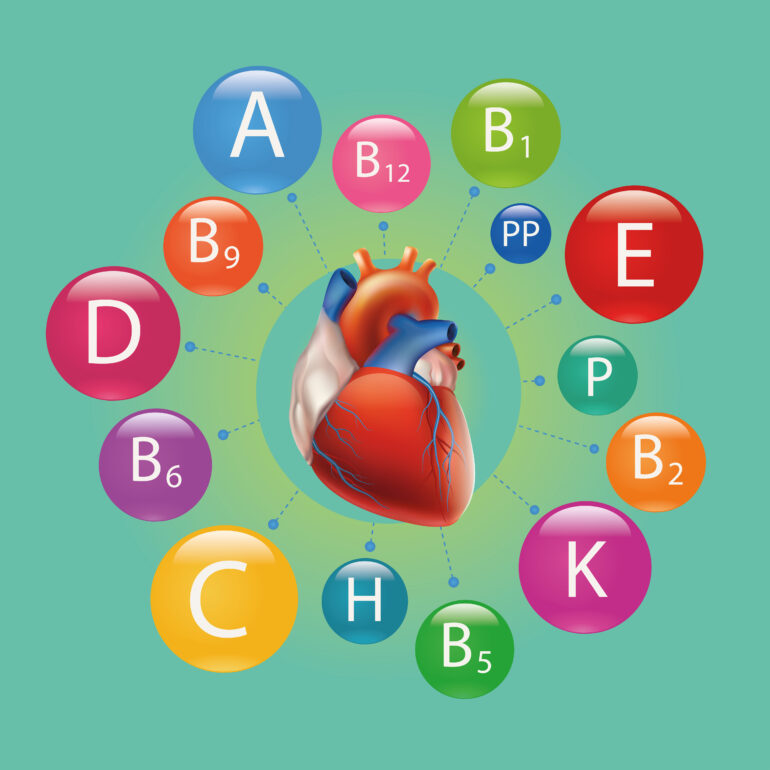
Illustration of vitamin letters arranged around a heart
  • Vitamins & Minerals

Signs of Vitamin Deficiency — and Why You Should Test Rather Than Guess

Gerry Morton September 2, 2026

Trending News

Protein and Lean Mass on GLP-1 Medications: What the Data Show Protein and Lean Mass on GLP-1 Medications - EnergyFirst blog article card 1
  • Weight Management

Protein and Lean Mass on GLP-1 Medications: What the Data Show

September 5, 2026
Whey Isolate vs Concentrate vs Hydrolysate: What You Are Paying For Whey Isolate vs Concentrate vs Hydrolysate - EnergyFirst blog article card 2
  • Whey Protein

Whey Isolate vs Concentrate vs Hydrolysate: What You Are Paying For

September 5, 2026
Collagen vs Whey: Different Tissues, Different Jobs Collagen vs Whey: Different Tissues, Different Jobs - EnergyFirst blog article card 3
  • Whey Protein

Collagen vs Whey: Different Tissues, Different Jobs

September 5, 2026
Vitamin D: What the Big Trials Actually Found Vitamin D: What the Big Trials Actually Found - EnergyFirst blog article card 4
  • Vitamins & Minerals

Vitamin D: What the Big Trials Actually Found

September 5, 2026
Creatine: What the Evidence Actually Supports Creatine: What the Evidence Actually Supports - EnergyFirst blog article card 5
  • Pre-Workout

Creatine: What the Evidence Actually Supports

September 5, 2026

About Author

Gerry Morton

President & CEO at EnergyFirst. High energy, action oriented leader committed to helping others live their best lives. Lives in Manhattan Beach, CA 90266

Connect with Us

  • Facebook

You may have missed

Protein and Lean Mass on GLP-1 Medications - EnergyFirst blog article card
  • Weight Management

Protein and Lean Mass on GLP-1 Medications: What the Data Show

Gerry Morton September 5, 2026
Whey Isolate vs Concentrate vs Hydrolysate - EnergyFirst blog article card
  • Whey Protein

Whey Isolate vs Concentrate vs Hydrolysate: What You Are Paying For

Gerry Morton September 5, 2026
Collagen vs Whey: Different Tissues, Different Jobs - EnergyFirst blog article card
  • Whey Protein

Collagen vs Whey: Different Tissues, Different Jobs

Gerry Morton September 5, 2026
Vitamin D: What the Big Trials Actually Found - EnergyFirst blog article card
  • Vitamins & Minerals

Vitamin D: What the Big Trials Actually Found

Gerry Morton September 5, 2026

Our Story

EnergyFirst, a leading company in the all-natural protein and supplement industry, was founded in 1997. We believe that everyone can benefit from drinking a protein shake, whether the goal is optimal nutrition in a meal replacement, an easy and healthy breakfast alternative, a weight loss aid, or a protein supplement for athletes.

EnergyFirst is part of NutriScience Corporation.

Shop EnergyFirst · Privacy Policy

About the Author

Gerry Morton is CEO of EnergyFirst, which he acquired in 2004. He holds a master's degree in nutrition and an executive MBA from UCLA Anderson, and is the author of The Energy Guidebook. He has finished four Ironman triathlons and more than fifty marathons — which is where most of what he writes about here has been tested.

More at gerrymorton.com.

THE ENERGYFIRST COMMUNITY

  • Facebook
Copyright © All rights reserved. | MoreNews by AF themes.