Skip to content
EnergyFirst Blog

EnergyFirst Blog

Practical nutrition science from EnergyFirst

Connect with Us

  • Facebook

Categories

  • Digestive Health
  • Green Superfood
  • Nutrition
  • Omega-3 & Fish Oil
  • Pre-Workout
  • Vitamins & Minerals
  • Weight Management
  • Wellness
  • Whey Protein
Primary Menu
  • Home
  • Blog
  • Shop EnergyFirst
Light/Dark Button
  • Home
  • Nutrition
  • How Much Sugar Is Too Much? A Practical Answer
  • Nutrition

How Much Sugar Is Too Much? A Practical Answer

Sugar is neither poison nor harmless. Here are the actual limits, the one form that behaves worst, and where it hides.
Gerry Morton September 2, 2026 4 minutes read

Sugar attracts more absolutism than almost any other nutrient. It is not poison, and it is not harmless. Both extremes get in the way of the more useful question, which is how much, in what form, and instead of what.

The numbers

The American Heart Association recommends no more than 25 g of added sugar a day for women and 36 g for men — roughly six and nine teaspoons. The WHO recommends keeping added sugars below 10% of daily energy, with additional benefit below 5%.

Average US intake sits around 68 g a day, roughly 17 teaspoons. Most people are at two to three times the recommendation without eating anything they would identify as dessert.

The recommendations concern added sugar. The sugar in whole fruit comes with fibre, water and volume, arrives more slowly, and is not the thing anyone needs to worry about. Nobody developed a metabolic problem from eating apples.

Liquid sugar is the outlier

If you change one thing, change this. Sugar-sweetened drinks have the strongest and most consistent evidence linking them to weight gain and metabolic disease of any single dietary component.

The reason is that liquid calories barely register on your appetite. Eat 250 calories of food and you compensate by eating less later. Drink 250 calories and the compensation is minimal — the calories are largely additive. A daily soft drink is a few hundred calories a day that your appetite regulation never accounts for.

Fruit juice behaves much the same way. It is nutritionally better than a soft drink, and it is still liquid sugar without the fibre.

What fructose does that glucose does not

Table sugar is half glucose, half fructose. Glucose is metabolised throughout the body; fructose is handled almost entirely by the liver.

In moderate amounts, from fruit, this is unremarkable. In large amounts, particularly in liquid form, the liver converts the excess to fat through a process called de novo lipogenesis. This is the mechanism behind the association between high sugar intake and non-alcoholic fatty liver disease, which is now very common and frequently undiagnosed.

The dose is what matters here. The fructose in two pieces of fruit and the fructose in a litre of soft drink are the same molecule arriving in entirely different quantities and at entirely different speeds.

Where it hides

Most people’s added sugar is not in obvious sweets. It is in:

  • Flavoured yoghurt — often 15 to 20 g per pot, comparable to a dessert.
  • Granola and breakfast cereal — including the ones with mountains on the packaging.
  • Sauces — ketchup, barbecue sauce, pasta sauce, sweet chilli, teriyaki. Jarred pasta sauce is a common surprise.
  • Bread — particularly sliced sandwich bread.
  • “Health” bars — frequently a chocolate bar with added protein and a better font.
  • Coffee shop drinks — a flavoured latte can exceed an entire day’s recommendation.

Reading the label

US nutrition labels now separate added sugars from total sugars, which removed most of the guesswork. Use that line.

In the ingredients list, remember that sugar appears under many names — cane juice, invert sugar, maltose, dextrose, rice syrup, agave nectar, fruit juice concentrate. Splitting sugar across several of these keeps each one lower in the weight-ordered list. Agave in particular is marketed as a health food and is higher in fructose than table sugar.

What actually works

  • Deal with drinks first. Nothing else on this list comes close.
  • Buy plain and add your own. Plain yoghurt with fruit; plain oats with whatever you like. You will use a fraction of what a manufacturer would.
  • Check the three or four packaged items you eat most. Sauces and cereals are usually where the volume is.
  • Do not fear whole fruit. It is not the problem and it displaces things that are.
  • Eat enough protein and fibre. Sugar cravings are frequently a symptom of meals that were not satisfying.

Some added sugar in an otherwise decent diet is entirely fine. The target is not zero. It is not being at three times the recommendation without realising it.

Related reading

  • Artificial Sweeteners: What the Evidence Says in 2026
  • Food Additives: Preservatives, Colours and Flavours, Fairly Assessed
  • The Real Maths of Weight Loss (It Is Not 3,500 Calories a Pound)

ProEnergy and Greenergy both contain no added sugar — worth checking on any supplement, since sweetened protein powders and greens blends are common.

About the Author

Gerry Morton

Administrator

Gerry Morton is CEO of EnergyFirst, which he acquired in 2004. He holds a master's degree in nutrition and an executive MBA from UCLA Anderson, and is the author of The Energy Guidebook. He has finished four Ironman triathlons and more than fifty marathons — which is where most of what he writes about here has been tested. He lives in Manhattan Beach, California.

Visit Website View All Posts

Post navigation

Previous: Green Superfood Powder: What It Does, What It Does Not, and How to Choose One
Next: Whey Protein and Weight Loss: What the Research Actually Shows

Related Stories

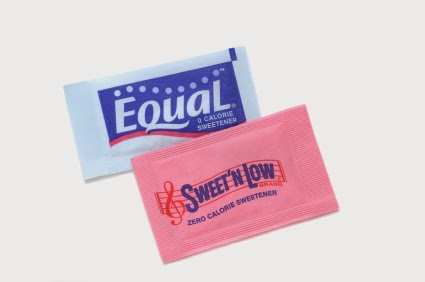
Packets of Equal and Sweet'N Low artificial sweeteners
  • Nutrition

Artificial Sweeteners: What the Evidence Says in 2026

Gerry Morton September 1, 2026
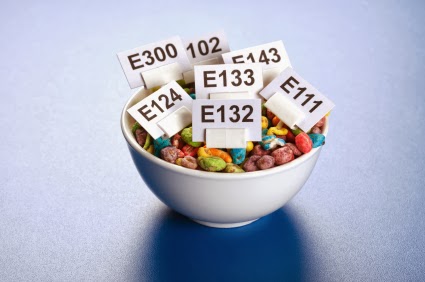
Bowl of brightly coloured cereal with E-number food additive codes above it
  • Nutrition

Food Additives: Preservatives, Colours and Flavours, Fairly Assessed

Gerry Morton September 1, 2026
Dairy cows grazing on green pasture
  • Nutrition

Grass-Fed vs Grain-Fed: What the Difference Actually Amounts To

Gerry Morton September 1, 2026

Trending News

Protein and Lean Mass on GLP-1 Medications: What the Data Show Protein and Lean Mass on GLP-1 Medications - EnergyFirst blog article card 1
  • Weight Management

Protein and Lean Mass on GLP-1 Medications: What the Data Show

September 5, 2026
Whey Isolate vs Concentrate vs Hydrolysate: What You Are Paying For Whey Isolate vs Concentrate vs Hydrolysate - EnergyFirst blog article card 2
  • Whey Protein

Whey Isolate vs Concentrate vs Hydrolysate: What You Are Paying For

September 5, 2026
Collagen vs Whey: Different Tissues, Different Jobs Collagen vs Whey: Different Tissues, Different Jobs - EnergyFirst blog article card 3
  • Whey Protein

Collagen vs Whey: Different Tissues, Different Jobs

September 5, 2026
Vitamin D: What the Big Trials Actually Found Vitamin D: What the Big Trials Actually Found - EnergyFirst blog article card 4
  • Vitamins & Minerals

Vitamin D: What the Big Trials Actually Found

September 5, 2026
Creatine: What the Evidence Actually Supports Creatine: What the Evidence Actually Supports - EnergyFirst blog article card 5
  • Pre-Workout

Creatine: What the Evidence Actually Supports

September 5, 2026

About Author

Gerry Morton

President & CEO at EnergyFirst. High energy, action oriented leader committed to helping others live their best lives. Lives in Manhattan Beach, CA 90266

Connect with Us

  • Facebook

You may have missed

Protein and Lean Mass on GLP-1 Medications - EnergyFirst blog article card
  • Weight Management

Protein and Lean Mass on GLP-1 Medications: What the Data Show

Gerry Morton September 5, 2026
Whey Isolate vs Concentrate vs Hydrolysate - EnergyFirst blog article card
  • Whey Protein

Whey Isolate vs Concentrate vs Hydrolysate: What You Are Paying For

Gerry Morton September 5, 2026
Collagen vs Whey: Different Tissues, Different Jobs - EnergyFirst blog article card
  • Whey Protein

Collagen vs Whey: Different Tissues, Different Jobs

Gerry Morton September 5, 2026
Vitamin D: What the Big Trials Actually Found - EnergyFirst blog article card
  • Vitamins & Minerals

Vitamin D: What the Big Trials Actually Found

Gerry Morton September 5, 2026

Our Story

EnergyFirst, a leading company in the all-natural protein and supplement industry, was founded in 1997. We believe that everyone can benefit from drinking a protein shake, whether the goal is optimal nutrition in a meal replacement, an easy and healthy breakfast alternative, a weight loss aid, or a protein supplement for athletes.

EnergyFirst is part of NutriScience Corporation.

Shop EnergyFirst · Privacy Policy

About the Author

Gerry Morton is CEO of EnergyFirst, which he acquired in 2004. He holds a master's degree in nutrition and an executive MBA from UCLA Anderson, and is the author of The Energy Guidebook. He has finished four Ironman triathlons and more than fifty marathons — which is where most of what he writes about here has been tested.

More at gerrymorton.com.

THE ENERGYFIRST COMMUNITY

  • Facebook
Copyright © All rights reserved. | MoreNews by AF themes.