Rather than a list of reasons to buy it, here is a straight description of what goes into Greenergy, what each part is there for, and who it suits.
The composition
Cereal grass juice
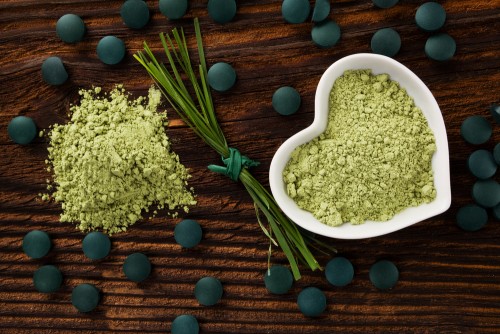
Barley grass juice powder rather than whole grass powder. The distinction matters: juicing the grass and drying the juice removes the indigestible cellulose that makes whole grass powder gritty and largely inert, and concentrates what is actually absorbable.
Algae
Spirulina, which is unusually dense in protein, carotenoids, iron and phycocyanin, the blue pigment that gives it much of its studied antioxidant activity. Worth repeating a caution that applies to every spirulina product, ours included: it is not a usable source of vitamin B12.
Vegetable and fruit concentrates
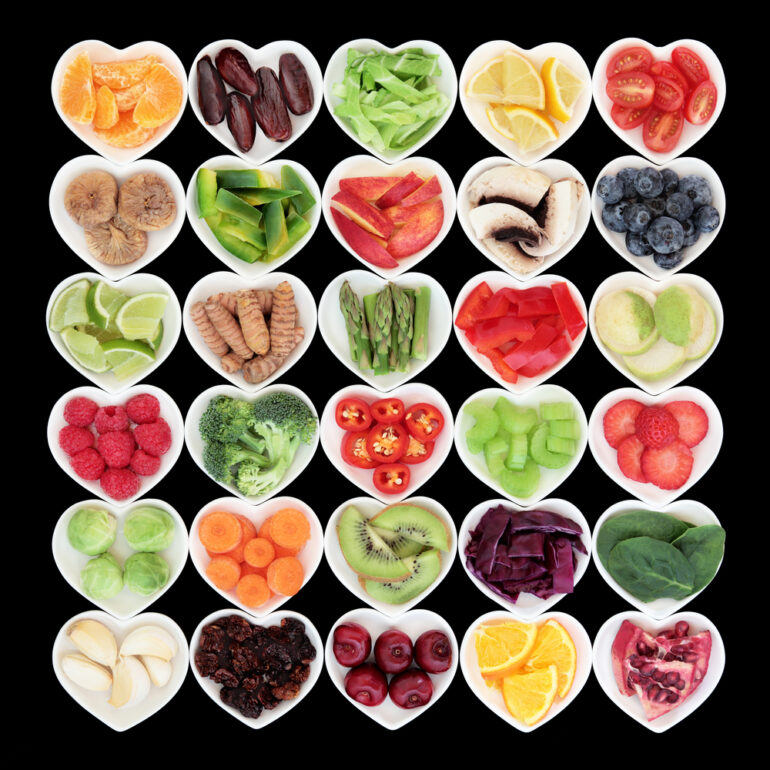
Where most of the polyphenols and carotenoids come from. This is the part of a greens blend that carries the better-supported evidence.
Botanicals
Green tea extract at 160 mg per serving, and turmeric. On green tea: very high doses of concentrated extract have been associated with liver injury in rare cases, which is a real signal worth knowing about. 160 mg is a modest dose (comparable to a couple of cups of brewed green tea) and sits well below the levels involved in those reports.
Probiotics and digestive enzymes
Standard inclusions in this category. Their contribution in any greens powder depends entirely on dose and strain, and a dry powder is not the ideal delivery format for live cultures.
Sourcing
Greenergy is made from USDA Organic certified greens and fruits, and its ingredients are tested for confirmation. This matters more in greens than in most supplement categories, because algae and leafy plants concentrate what is in their growing environment, including heavy metals where the source is contaminated. It is organic, vegan, non-GMO, gluten-free and contains no added sugar.
What it is for, and what it is not
Greenergy raises the floor on days when vegetables do not happen. It is not a replacement for eating them: you lose the fiber, the water, the volume and the satiety, all of which are doing real work. Anyone selling a greens powder as a substitute for a diet is overselling it, and we are not going to.
The people it genuinely helps are those whose vegetable intake is poor and realistically going to stay poor for a while: heavy travel, long working stretches, periods of poor appetite. Ten seconds and a glass of water is a low bar to clear on a bad week.
If you are going to use a greens powder, this is the one we recommend. It is USDA certified organic, vegan, gluten free and non-GMO, with twelve organic greens in a 25-calorie scoop, at about $1.17 a day. Get Greenergy here.
Two groups who should check first
- Anyone taking warfarin or another vitamin K antagonist. Green leafy plants are rich in vitamin K1 and a concentrated greens powder can affect your INR. Speak to whoever manages your anticoagulation before starting.
- Anyone pregnant, breastfeeding, or on medication with known interactions. Concentrated botanicals are not automatically benign because they are plants.
Related reading
- Green Superfood Powder: What It Does, What It Does Not, and How to Choose One
- Can a Greens Powder Replace Eating Vegetables? Honestly, No
- Probiotics and Prebiotics: Where the Evidence Is Strong and Where It Is Not
Greenergy is available on its own or alongside ProEnergy.
About the Author